The “Khmer VO” light turns on, and for a moment, the outside world in Phnom Penh simply ceases to exist. There’s no traffic, no construction, and no morning coffee chatter from the street below. It’s just me, the mic, and your script waiting to be brought to life. My workflow is not disturbed by any factors.
I’m Piseth, a professional Khmer voice artist. This is what a live recording session looks like from my side of the glass in a small home studio. If you’re a client looking for natural, high-quality audio that truly connects with Cambodian audiences, here’s a peek behind the curtain.
Before the Mic Goes Live
The session doesn’t start when I hit record. It starts long before that, with your script. When you send me your Khmer script, the first thing I do is prepare. I read it multiple times to familiarize myself with the content and catch any phrasing that doesn’t sound natural in spoken Khmer. Our goal is to achieve a conversational flow that resonates with native speakers, not a stiff reading of the text.
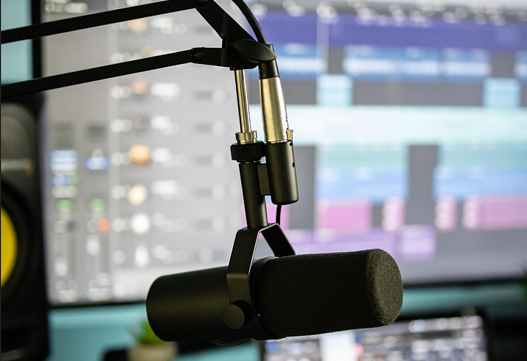
I obsessively check the recording environment. My booth is quiet and acoustically treated to eliminate echoes and background noise. This isn’t a luxury; it’s a necessity. Even the hum of a phone or the buzz of a wireless headset can compromise the quality of the audio. If I need headphones during the session, I use wired headphones, never Bluetooth.
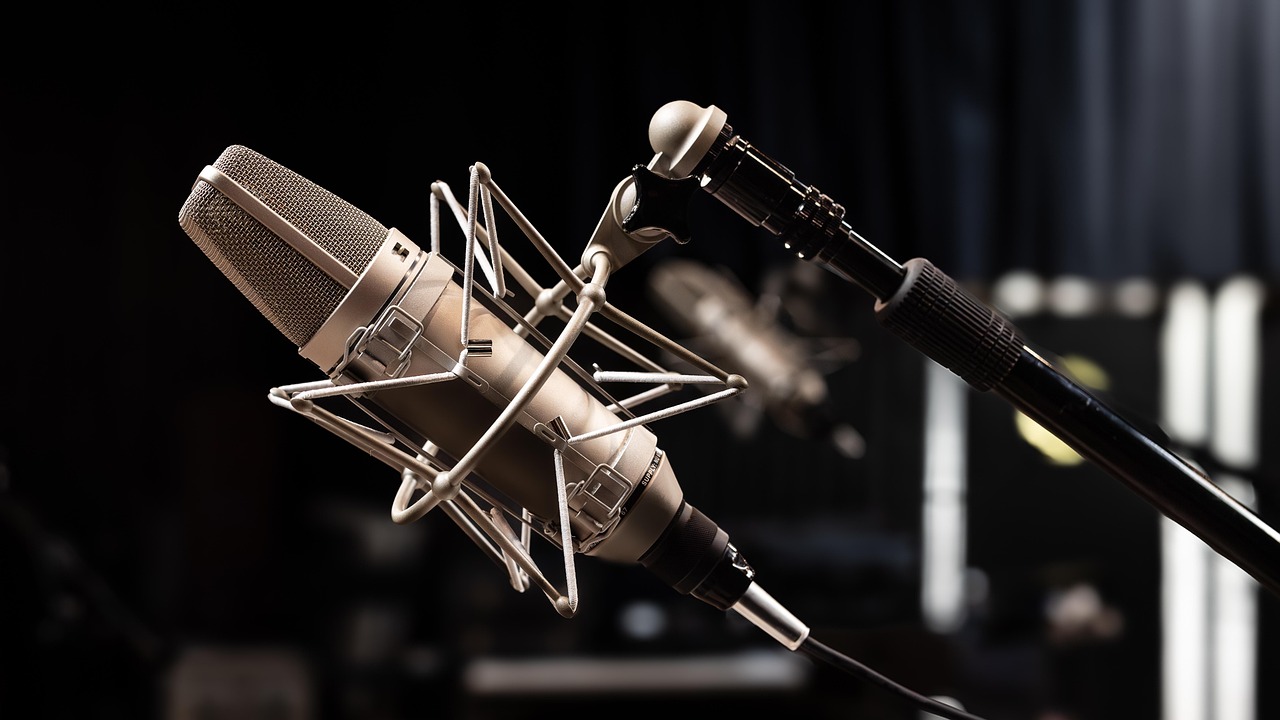
I carefully position the microphone roughly six inches from my mouth and slightly off to the side. This isn’t just for comfort. It helps control the explosive consonant sounds we make when speaking, such as “p” and “b,” which can distort a recording if not controlled.
The Art of the Khmer Live Read
Once everything is ready, the session begins. For a typical 15-minute recording, I can cover between 1,500 and 3,000 words, depending on the required pace. What about audiobooks? Slow and deliberate. Commercials? Energized and punchy. eLearning? Clear, patient, and instructional.
II’m not just reading words. I’m interpreting tone and emotion. Is this a corporate training video that requires a professional, authoritative Khmer voice? Or a heartfelt charity appeal requiring warmth and sincerity? Or a high-energy promo demanding excitement? Each one requires a distinct vocal delivery, and I’m always thinking about the emotional impact of every line.
Navigating Nuance and Precision
Live direction is one of the most critical parts of a Khmer voiceover session. If a director or client is on the call, they will listen in and provide real-time feedback. This collaborative process is invaluable. We can adjust the pacing, emphasis, or tone on the spot, which avoids the need for costly re-recordings later.
I’m also listening for any tricky phrasing or tongue-twisters that I might have missed during preparation. If a sentence doesn’t flow smoothly, I’ll flag it. Being a professional voiceover isn’t just about pronunciation; it’s about delivering a performance that sounds effortless to the listener.
Post-Session: Polish and Delivery
Once the recording is finished, I move on to post-production. I edit the raw audio by cutting out long pauses and removing mouth noise and breaths. Then, I listen back to check for errors and ensure consistency in volume and tone.
Finally, I deliver the files. The audio has been cleaned and normalized and is ready to be integrated into your video or project. I can split the files by scene or speaker, which will make editing simple and straightforward for your production team.
Ready to Record?
A Khmer voice-over live recording session requires technical skill, linguistic expertise, and acting ability. The goal is to capture the heart of your message in Khmer, ensuring it resonates with your target audience and enhances your brand. If you have a script that needs a professional voice, I can help. Let’s make your project sound its absolute best.